
Reducing the running costs of electric utility vehicles requires more than simply switching from diesel to battery power. Charging strategy, battery care, preventative maintenance and operator behaviour all play a direct role in keeping your EUVs efficient with controlled long-term costs.
In this article, we will explore practical ways to keep electric utility vehicles and fleets cost-effective for UK owners.
How to Keep Running Costs Low for Electric Utility Vehicles
Electric utility vehicles are widely used across warehouses, factories, airports and logistics facilities because they offer lower operating costs than diesel or petrol alternatives. However, running an efficient fleet still requires careful management.
Battery performance, charging routines, maintenance schedules and vehicle usage all influence day-to-day operating costs. Small inefficiencies can quickly become expensive when vehicles are used continuously across busy sites.
The most cost-effective fleets usually focus on the basics: reducing unnecessary energy use, preventing avoidable repairs and keeping vehicles available for longer.
1. Use Smart Charging Practices
Charging habits have a direct impact on both electricity costs and battery lifespan.
Poor charging routines can reduce battery efficiency over time, while unnecessary charging during peak-rate periods may increase operational costs. For fleets operating multiple vehicles, even small improvements in charging strategy can make a noticeable difference.
A few simple practices can help:
- Charge vehicles during off-peak electricity periods where possible
- Avoid repeatedly draining batteries to very low levels
- Use chargers matched to the battery specification
- Keep charging areas clean, dry and well ventilated
- Remove damaged charging cables or connectors immediately
Lithium-ion batteries, now common in many electric utility vehicles, generally perform best when kept within a moderate charge range rather than constantly being fully discharged.
Smart charging systems can also help larger fleets manage power demand more efficiently by staggering charging times across multiple vehicles. This reduces pressure on site infrastructure and helps avoid unnecessary energy costs.
2. Reduce Battery Drain During Daily Use
How your EUVs are driven has a significant effect on energy consumption.
Frequent harsh acceleration and overloaded vehicles are two of biggest offenders for placing additional strain on your batteries and drivetrains. Across a full EUV fleet, inefficient operation can noticeaably reduce available runtime and increase charging frequency.
Simple operational changes often improve efficiency quickly:
| Operational Change | Benefit |
|---|---|
| Smoother acceleration and braking | Reduces battery strain and energy consumption |
| Planned travel routes | Minimises unnecessary movement traversing incorrect or inefficient routes |
| Correct load handling | Prevents excess motor strain |
| Speed limit settings | Improves energy efficiency and safety |
| Reducing idle time | Preserves battery charge |
Route planning is especially important in larger facilities where repeated stop-start journeys can waste energy throughout the day.
Some businesses will also employ third-party systems to monitor vehicle usage like telematics. These systems track factors such as:
- Battery performance
- Operating hours
- Energy consumption
- Route planning
This helps fleet managers identify inefficient driving patterns or underperforming vehicles before they become larger issues.
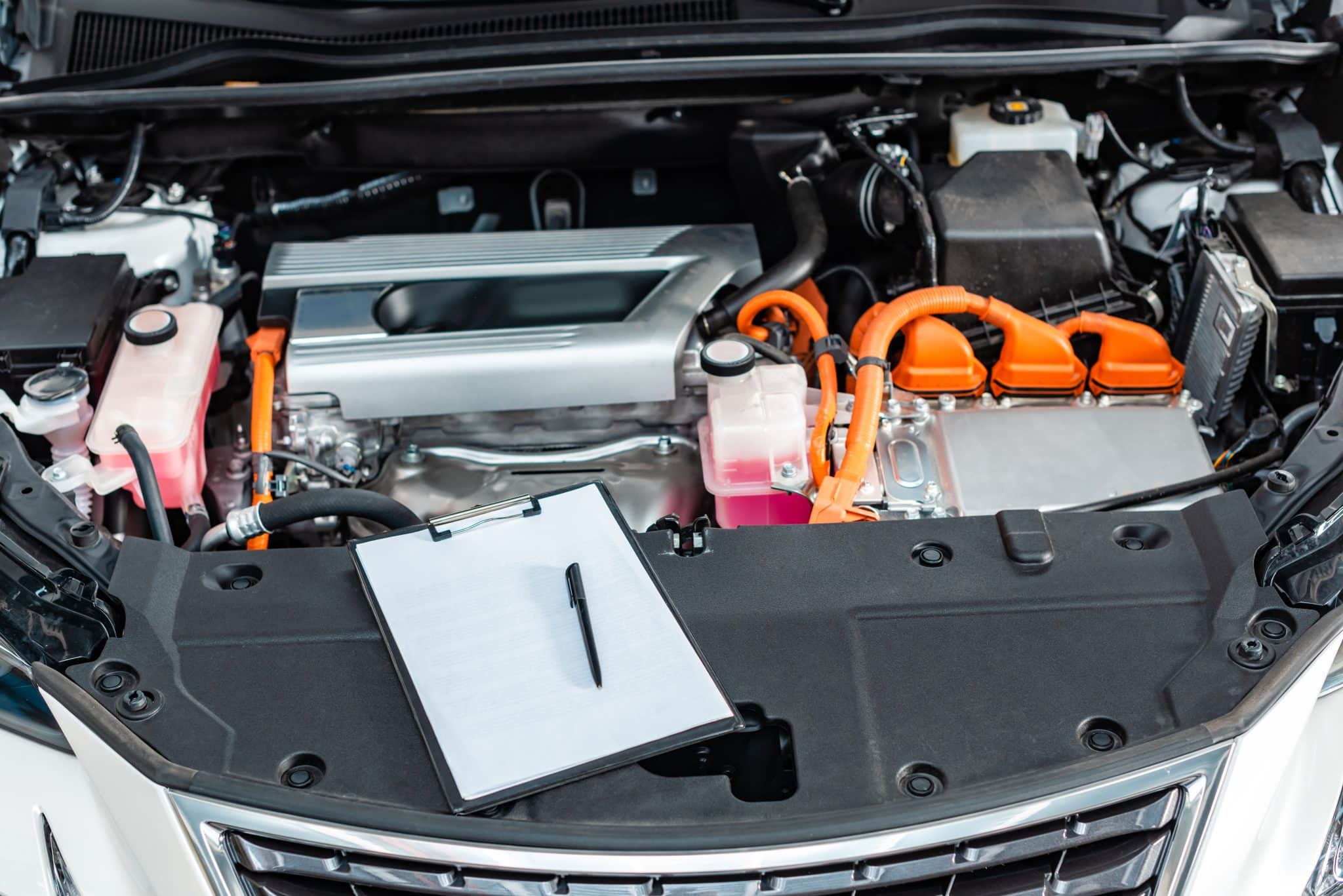
3. Prevent Small Faults Becoming Expensive Repairs
Electric utility vehicles typically require less maintenance than combustion-powered vehicles but regular inspections still matter.
Minor faults that go unnoticed such as loose battery connections or underinflated tyres can gradually increase energy use and lead to unplanned downtime. Preventative maintenance helps identify these potential problems arely while keeping repair costs more predictable. So routine checks should include:
- Tyre condition and inflation pressure
- Brake performance
- Steering response
- Battery connections
- Charging equipment condition
- Warning lights or fault codes
Tyres are often overlooked, yet underinflated tyres increase rolling resistance and force vehicles to use more energy during operation.
Electrical connections should also be inspected regularly. Loose or damaged connectors can affect charging efficiency and may eventually lead to vehicle faults or battery issues.
A consistent preventative maintenance programme usually costs far less than emergency repairs or operational disruption caused by vehicle breakdowns.
4. Reduce Unplanned Downtime With Fleet Monitoring
Downtime is often one of the biggest hidden costs within industrial vehicle fleets.
When vehicles unexpectedly fail, the impact goes beyond repair costs. Delays to warehouse operations are always the most costly impact, but issues will also arise with delays to prodution schedules and internal transport systems which will quickly impact wider productivity.
Fleet monitoring systems help reduce these risks by identifying issues early. Modern EUVs will often provide data on the following, and more:
- Battery condition
- Charging performance
- Operating hours
- Error codes
- Energy consumption
- Service intervals
This allows maintenance teams to spot declining performance before a vehicle becomes unusable.
For example, a vehicle showing reduced battery range or repeated charging issues may require servicing long before a complete failure occurs. Addressing these issues early helps avoid disruption and keeps fleets operating more consistently.
5. Choose the Right Vehicle for the Job
Using oversized or unsuitable vehicles can quietly increase operating costs, which is why its important to confirm your operational needs with an expert before making a purchase on any EUV.
Vehicles with larger battery systems or higher payload capacities generally consume more energy and may require more maintenance over time. Selecting vehicles based on actual operational requirements usually improves efficiency and reduces unnecessary running costs.
When reviewing fleet suitability, consider:
Payload Requirements
Vehicles regularly carrying excessive loads place more strain on motors, brakes and batteries.
Indoor or Outdoor Use
Warehouse vehicles may require compact dimensions and non-marking tyres, while outdoor vehicles often need weather protection and different traction setups.
Daily Duty Cycles
A vehicle used continuously across multiple shifts has very different charging and battery requirements compared with one used occasionally for site maintenance or facilities work.
Purpose-built electric utility vehicles and electric tow tractors designed for specific industrial environments often deliver better efficiency than adapting unsuitable general-purpose vehicles.
 6. Train Operators to Improve Efficiency
Operator behaviour plays a major role in vehicle performance and running costs.
Even well-maintained vehicles can become inefficient if operators use poor driving or charging practices. Consistent training helps reduce avoidable wear while improving battery efficiency and vehicle reliability. Training should cover:
- Efficient driving techniques
- Safe load handling
- Correct charging procedures
- Daily inspection routines
- Reporting faults promptly
Encouraging operators to report small faults early is particularly important. Minor issues such as brake drag, tyre damage or charging problems often become more expensive if ignored.
For larger operations, refresher training and vehicle usage monitoring can also help maintain consistent standards across the fleet.
7. Focus on Lifetime Running Costs Rather Than Purchase Price
The lowest purchase price does not always result in the lowest long-term operating cost.
When assessing electric utility vehicles, it is important to consider total cost of ownership rather than upfront cost alone. This includes:
- Energy consumption
- Battery lifespan
- Maintenance requirements
- Vehicle downtime
- Parts availability
- Expected service life
For example, lithium-ion battery systems often cost more initially but may reduce maintenance needs, charging time and replacement frequency over the long term.
A more reliable vehicle with lower downtime can also improve operational efficiency significantly in busy warehouse or logistics environments.
Conclusion
Reducing running costs comes down to consistent day-to-day management. Efficient charging, preventative maintenance, operator training and choosing the right vehicle can all help lower energy use, reduce downtime and extend vehicle lifespan.
For businesses using electric utility vehicles daily, improving efficiency also supports more reliable operations over time. Browse our range of electric utility vehicles or get in touch with the team for further advice.