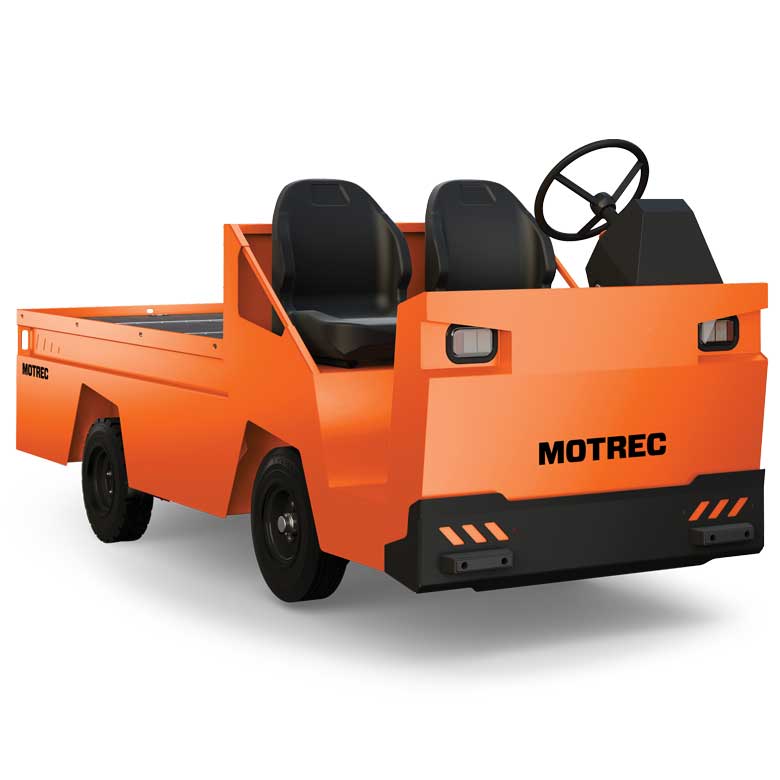
If you’re thinking about switching from a petrol or diesel utility vehicle to an electric model, it’s natural to wonder what impact it will have on your electricity bills. While an electric utility vehicle will increase the amount of electricity your site uses, that doesn’t necessarily mean your operating costs will increase overall.
In this guide, we’ll explain how much it costs to charge an electric utility vehicle, what affects those costs, how they compare with fuel-powered alternatives and how to estimate the running costs for your own business. We’ll also look at the wider picture, including battery size, charging infrastructure and the factors that have the biggest influence on day-to-day energy consumption.
Will an Electric Utility Vehicle Increase Your Energy Bills?
Charging an electric utility vehicle will increase your electricity bill because you’re using additional energy. However, electricity is only one part of the running cost.
For many businesses and estates, the increase in electricity costs is often offset by lower fuel costs, fewer moving engine components to maintain and the operational benefits/financial incentives that come with owning electric vehicles, such as queiter operation and zero tailpipe emissions.
So the real question is more around ‘will my overall operating costs go down when I switch to an electric utility vehicle?‘
In many applications, the answer is yes.
How Much Does It Cost to Charge an Electric Utlity Vehicle?
The cost will depend on the three main factors:
- The size of the battery
- How much of that battery you recharge
- Your electricity tariff
The calculation itself is straightforward.
Battery energy (kWh) × Electricity price per kWh = Charging cost
For example, if a vehicle uses 10 kWh of electricity and your business pays 24p per kWh, a full recharge would cost around £2.40.
If the battery only needs half charging, the cost is roughly half that amount.
Although electricity prices vary between businesses, this simple calculation gives you a reliable way of estimating your own costs using the unit rate shown on your latest electricity bill.
Can You Charge an Electric Utility Vehicle from a Standard Plug Socket?
One of the biggest advantages of many electric utility vehicles is that they don’t necessarily require specialist charging infrastructure.
Many models can be charged using a standard 230V mains socket, making them easy to integrate into existing operations without major changes to your site. Simply park the vehicle at the end of the working day, connect the charger and leave it to recharge overnight.
Businesses operating larger fleets or using vehicles more intensively may choose to install dedicated charging points instead. These can reduce charging times, improve convenience and make it easier to manage multiple vehicles from a single location.
For many organisations, however, existing electrical infrastructure is often more than adequate for day-to-day charging.
How Long Does It Take to Charge an Electric Utility Vehicle?
Charging times vary depending on the vehicle, battery capacity, charger output and how much charge remains in the battery.
Rather than fully discharging the battery each day, most electric utility vehicles are simply topped up overnight after completing their daily workload. This means many vehicles begin every working day fully charged without affecting normal operations.
Your Electricity Bill Isn’t the Only Running Cost That Changes
One mistake businesses often make is looking only at the electricity cost without considering everything they’re replacing.
When moving away from petrol or diesel, you’re no longer paying for fuel every time the vehicle is used.
Depending on the application, you may also reduce ongoing maintenance associated with combustion engines, including oil changes, fuel filters, spark plugs, exhaust components and many of the routine servicing requirements that electric drivetrains simply don’t have.
That means a slightly higher electricity bill doesn’t necessarily translate into higher operating costs.
Instead, many businesses find they’re replacing one predictable expense with another that’s often easier to budget for.
Does a Bigger Battery Cost More to Run?
Larger batteries cost more to recharge from empty because they store more energy.
However, that doesn’t automatically mean they’re more expensive to own.
A business covering long distances every day may actually spend less over time with a larger battery because it avoids interruption, improves productivity and reduces the need for opportunity charging during working hours.
Choosing the right battery is about matching the vehicle to the job.
- Too small and you’ll spend more time charging.
- Too large and you may be paying for capacity you’ll rarely use.
- The best solution is the one that comfortably completes your working day with enough reserve for unexpected journeys.
Why Do Two Businesses Pay Different Charging Costs?
Even if two companies own exactly the same electric utility vehicle, their energy bills may look very different. That’s because electricity consumption is heavily influenced by how the vehicle is used. Factors include:
Daily distance travelled
A maintenance team travelling a few miles around a holiday park will use considerably less energy than a grounds team covering a large university campus all day.
Payload
Carrying tools, equipment, materials or passengers requires more energy than operating an empty vehicle.
Towing
Many electric utility vehicles are designed to tow trailers, but heavier towing loads naturally increase energy consumption.
Terrain
Flat warehouse floors place far less demand on the drivetrain than muddy farms, construction sites or steep estates.
Driving style
Smooth acceleration and sensible driving generally improve efficiency compared with constant rapid acceleration and heavy braking.
Weather
Cold temperatures can temporarily reduce battery performance, while heating and air conditioning also consume energy.
All of these factors contribute to the amount of electricity you’ll ultimately pay to replace.
Can You Reduce the Cost of Charging an Electric Utility Vehicle?
Although electric utility vehicles are already economical to run, there are several ways to keep charging costs as low as possible.
- Charge overnight where possible
- Match the vehicle to the job
- Kepe the vehicle well maintained
- Consider renewable energy
How Much Could It Add to Your Monthly Electricity Bill?
Rather than thinking about individual charging sessions, it’s often more useful to estimate monthly usage.
For example, if a vehicle typically consumes around 10 kWh each working day and electricity costs 24p per kWh:
- Daily charging cost: approximately £2.40
- Monthly cost (22 working days): around £53
Double the energy usage and the cost roughly doubles.
For many organisations, that’s still considerably less than filling a petrol or diesel utility vehicle throughout the month.
The exact figures will always depend on your own electricity tariff and vehicle usage, but the calculation itself remains straightforward.
Running a Fleet? Here’s What to Consider
For businesses running a fleet, charging costs will depend on both the number of vehicles and how they’re charged.
Many organisations stagger charging overnight or between shifts to spread electricity demand and ensure every vehicle is ready for the next working day.
If you’re planning a larger fleet, it’s worth considering your site’s electrical capacity, charging infrastructure and future expansion plans before installing additional chargers.
Choosing the Right Electric Utility Vehicle Can Save More Than Electricity
Running costs aren’t determined by electricity prices alone. Instead, they’re influenced just as much by choosing the right vehicle for the job. Consider factors such as:
- Daily mileage
- Payload requirements
- Towing capacity
- Number of passengers
- Terrain
- Available charging facilities
Selecting a vehicle that’s properly matched to your operation helps maximise productivity while keeping long-term operating costs under control.
Conclusion
An electric utility vehicle will increase your electricity usage, but that does not automatically mean higher operating costs. Once reduced fuel spending, lower maintenance requirements and more predictable charging expenses are taken into account, many businesses find electric models are more economical to run over the long term.
The biggest factor is choosing a vehicle that suits your daily mileage, payload, towing requirements and working environment. Speak to the ePower Trucks team for practical advice on the most suitable model and charging setup for your operation.





 6. Train Operators to Improve Efficiency